Understanding the psychological triggers behind gambling behaviors
The allure of risk and reward
The thrill associated with gambling often stems from the allure of risk and reward. Players are drawn to the possibility of winning big, which can create a rush of excitement. This rush is linked to the brain’s reward system, where dopamine is released, leading to feelings of pleasure and satisfaction. In addition, many people enjoy exploring various options, such as online casinos, which can further enhance their gaming experience. The more unpredictable the outcome, the stronger the excitement, which can drive individuals to gamble more frequently in hopes of replicating that initial high.

This anticipation can lead to what psychologists refer to as “variable reinforcement.” Unlike fixed rewards, which provide a consistent outcome, variable rewards create uncertainty that keeps players engaged. The unpredictability of when a win will occur can amplify the desire to play, as each loss is met with the hope of a forthcoming win.
Social influences and peer dynamics
The social context of gambling plays a significant role in shaping behaviors. Many individuals are influenced by their peers, often participating in gambling activities as a means of social bonding. This peer influence can normalize gambling behaviors and make individuals more likely to gamble, even if they might not have considered it otherwise.
Additionally, the presence of others can amplify the excitement and pressure to partake in gambling. Events like poker nights or casino outings can foster a sense of community, compelling individuals to engage in behaviors they might avoid in solitude. This social reinforcement can blur the lines between casual gambling and problematic behaviors, making it essential to recognize these influences.
The role of cognitive biases
Cognitive biases significantly shape gambling behaviors, often leading individuals to make irrational decisions. For example, the illusion of control can lead players to believe that they can influence outcomes through skill or strategy, even in games that are purely chance-based. This belief can result in overconfidence and increase the frequency of gambling.
Another common bias is the gambler’s fallacy, where individuals mistakenly believe that past events affect future probabilities. For instance, someone may assume that because a slot machine hasn’t paid out in a while, it is “due” for a win. These cognitive distortions can perpetuate gambling habits, making it crucial to understand their psychological underpinnings.
Emotional triggers and escapism
Many individuals use gambling as a form of escapism, seeking to alleviate feelings of stress, anxiety, or depression. The excitement of the game can temporarily distract from daily pressures, providing a sense of relief and an emotional high. This coping mechanism can become problematic if gambling is used as a primary way to manage emotions.
Moreover, emotions can trigger impulsive gambling behaviors. A person might gamble more during periods of high stress or after experiencing a setback, believing that a win could remedy their emotional state. This reliance on gambling for emotional regulation can spiral into addiction, highlighting the importance of recognizing and addressing these emotional triggers.
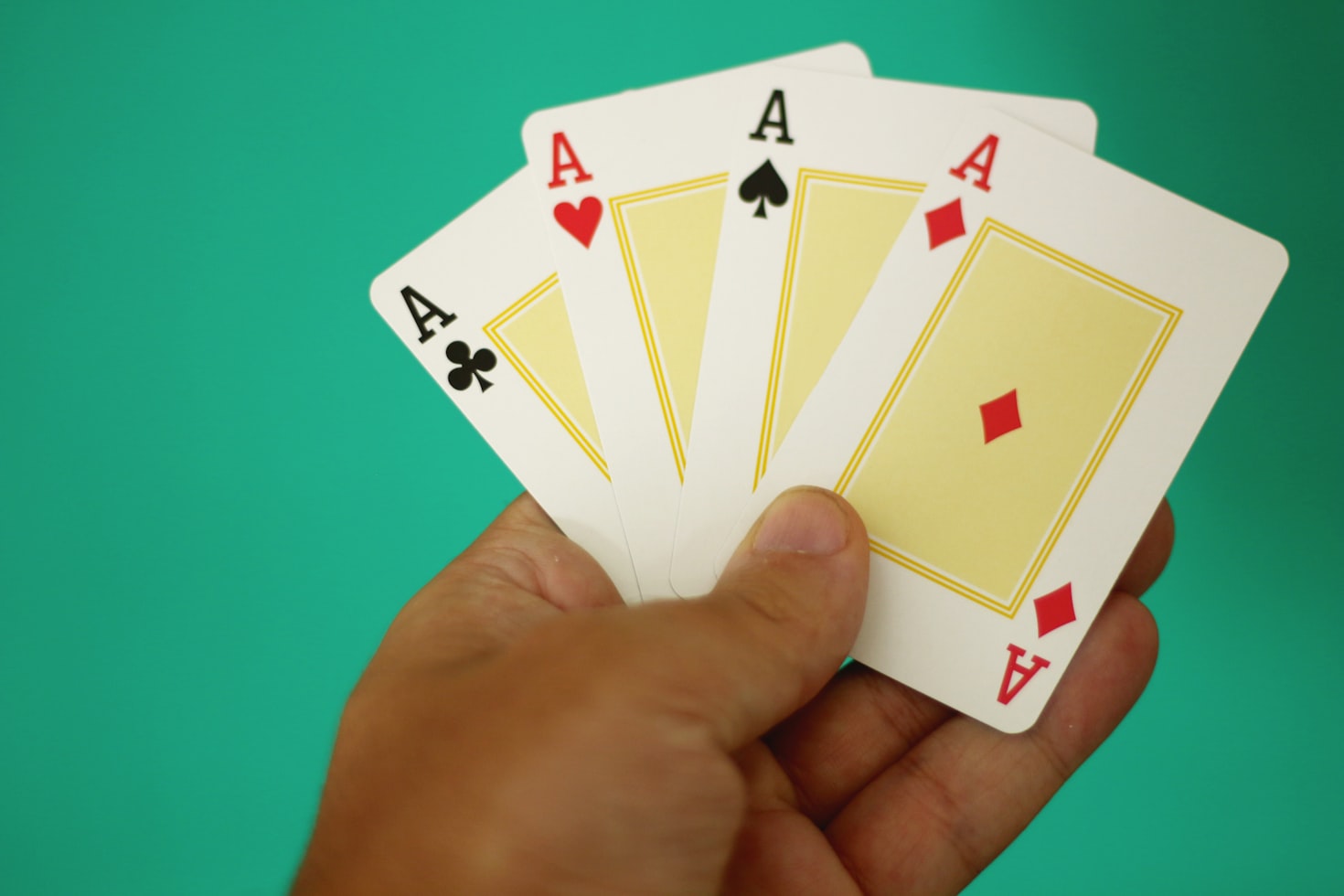
Explore more on this topic at our website
To dive deeper into the fascinating world of gambling psychology, our website provides a wealth of resources and articles. We aim to educate individuals on the complex interplay of psychological factors that influence gambling behaviors, offering insights into both healthy and unhealthy patterns.
Whether you are a casual gambler or seeking to understand gambling addiction, our content is tailored to provide valuable information. Join us on this journey of understanding the psychological triggers behind gambling and empower yourself with knowledge.