Exploring the psychology of decision-making in high-stakes casino environments
The Influence of Environment on Decision-Making
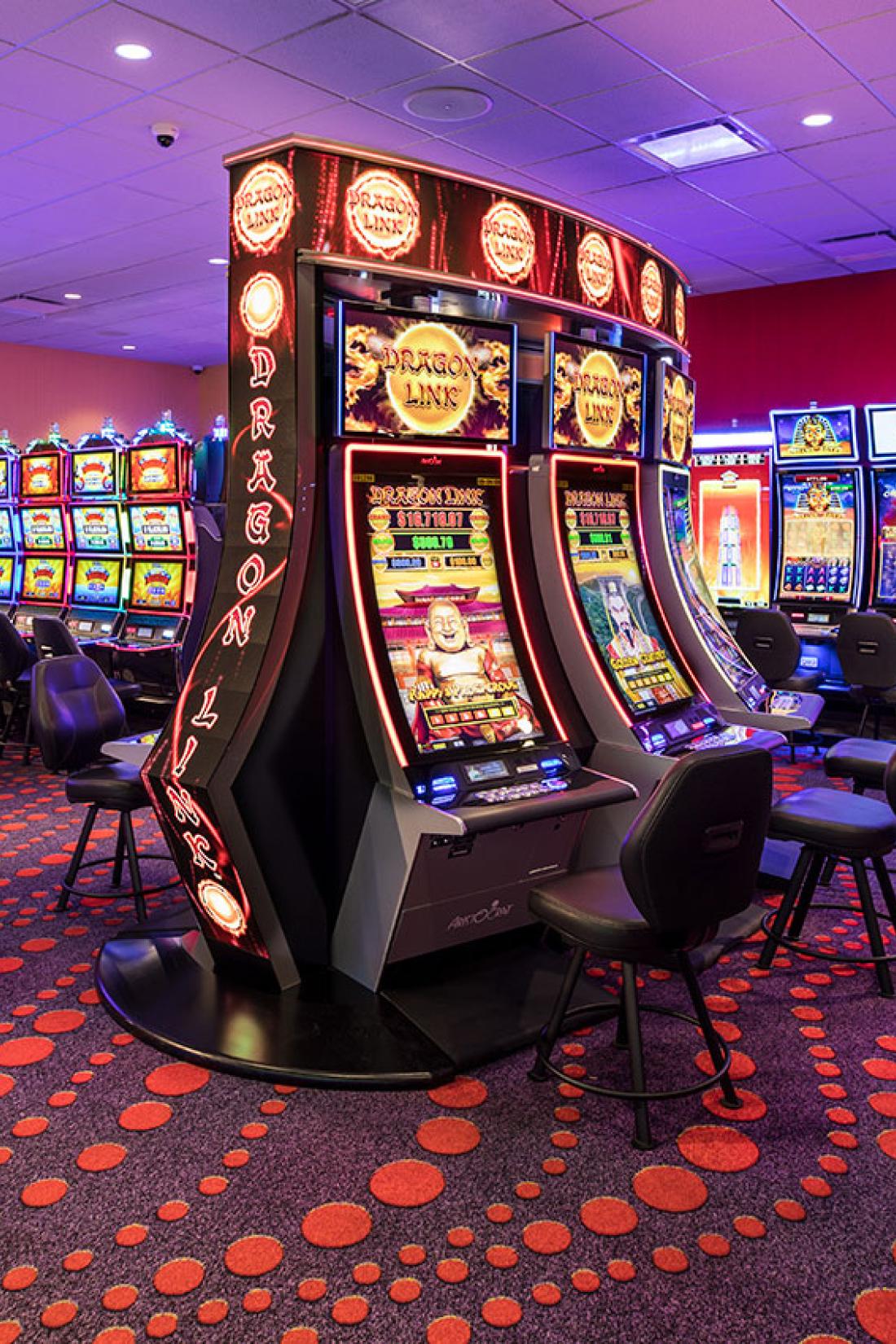
The ambiance of a casino plays a pivotal role in shaping the decisions of its patrons. Bright lights, vibrant colors, and a cacophony of sounds are meticulously designed to create an exhilarating atmosphere that can cloud judgment. In this environment, players may find it difficult to assess risks objectively, leading to impulsive decisions. The sensory overload often induces a heightened emotional state, which can skew rational thinking and amplify the desire to engage in high-stakes gambling. Additionally, discovering casino betting sites that prioritize responsible practices can assist players in making informed choices.
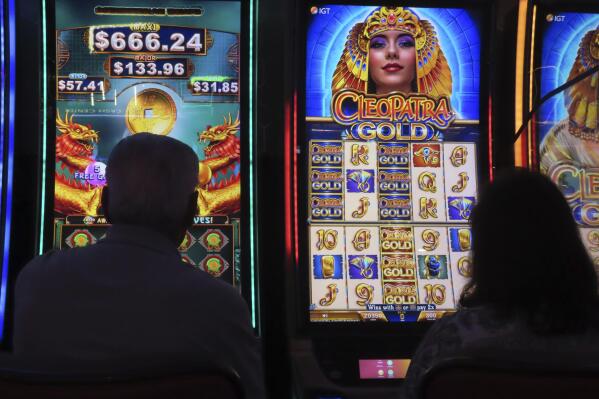
This psychological phenomenon is rooted in behavioral economics, where individuals are influenced by their surroundings rather than logical reasoning. The thrill of high-stakes games can activate the brain’s reward system, further impairing decision-making abilities. When faced with high-pressure situations, players may succumb to cognitive biases, which can significantly alter their choices and outcomes.
The Role of Emotions in High-Stakes Gambling
Emotions play a crucial role in gambling decisions, particularly in high-stakes scenarios. The excitement of potential wins often leads to a rush of adrenaline, which can enhance the gambling experience but also cloud judgment. This emotional high can create a false sense of security, where players overestimate their chances of winning and underestimate the risks involved. When emotions are at the forefront, logical decision-making takes a backseat.
Moreover, the fear of loss can further complicate decision-making. Players may chase losses by making increasingly risky bets in an attempt to recover what they have lost. This behavior, known as loss aversion, underscores the psychological struggle many gamblers face when making decisions. Understanding the emotional triggers that drive gambling behavior is essential for fostering responsible gambling practices.
The Impact of Cognitive Biases on Gambling Decisions
Cognitive biases are systematic patterns of deviation from norm or rationality in judgment, and they are prevalent in high-stakes gambling environments. One common bias is the illusion of control, where players believe they can influence the outcome of a game despite its inherent randomness. This belief can lead to overconfidence and risky decisions, often culminating in substantial financial loss.
Another notable bias is confirmation bias, where gamblers seek out information that supports their beliefs while ignoring contradictory evidence. For instance, a player may remember only the wins and disregard the losses, reinforcing their erroneous belief that they are skilled. These cognitive biases highlight the psychological complexities of decision-making in casinos and underscore the need for awareness and education to promote responsible gambling.
Strategies for Improved Decision-Making in Casinos
Improving decision-making in high-stakes casino environments requires a proactive approach. One effective strategy is setting strict limits on time and money before entering the casino. By establishing boundaries, players can mitigate the influence of their emotions and environmental factors, allowing for more rational choices. This method fosters a sense of control, helping individuals resist the urge to make impulsive bets.
Additionally, taking regular breaks during play can provide an opportunity for players to reflect on their decisions and assess their emotional state. These pauses can help restore clarity and allow for more thoughtful decision-making. Incorporating mindfulness techniques, such as deep breathing or visualization, can further enhance focus and reduce the impact of cognitive biases during gameplay.
Enhancing Awareness Through Resources
To foster responsible gambling, it is essential for players to access resources that enhance their understanding of decision-making in high-stakes environments. Many websites offer educational materials on the psychology of gambling, including insights into emotional regulation and cognitive biases. By equipping themselves with knowledge, players can better navigate the complexities of decision-making and mitigate risks associated with high-stakes gambling.
These resources also emphasize the importance of self-awareness and reflection in gambling practices. Engaging with tools and support systems can empower players to make informed choices and promote a healthier relationship with gambling. Through continuous education and awareness, individuals can enjoy the thrill of high-stakes games while maintaining control over their decisions.